
Ultimate Guide to Shipping Skis and Snow Gear
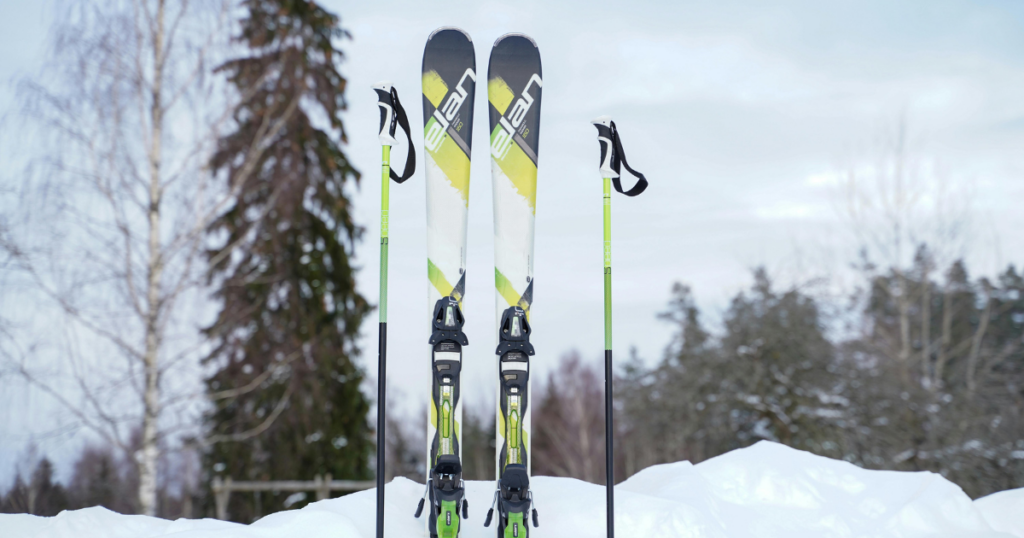
Less stress, more slope time
Bringing your own skis can make all the difference on the mountain. You’re already dialed into your equipment: the fit, the flex, and the way it handles changing conditions. But hauling bulky gear through the airport and paying oversized baggage fees? No thanks! Shipping skis and snow gear offers a smarter, more convenient (and cheaper!) way to travel with the equipment you trust.
This guide breaks down how to ship your gear safely, so you can skip the airport hassles and focus on the fun!
-
Shipping skis
When it comes to shipping skis, protection is everything. Hard ski cases are designed to handle impact and keep your binding secure in transit. If you’re heading off on a ski trip, investing in one can save you money—and stress—in the long run.
No hard case? No problem! Just skip the DIY approach. Your next-best option is to let the professionals do the packing at your nearest FedEx or UPS store. They can box skis properly using reinforced cardboard, padding, and internal supports that protect your skis.
Whichever route you choose, a little extra care upfront goes a long way towards making sure your skis arrive slope-ready.
– Remove any loose accessories.
– Wrap the bindings, tips, and tails in soft cloth or bubble wrap.
– Fill any gaps to prevent movement.
– Clearly label the package as fragile. -
Shipping ski accessories
Okay, we’ve covered shipping skis. But what about the rest of the equipment you need to carve through the powder at your favorite ski resort? Ski accessories like helmets, goggles, gloves, and boots are just as essential and can often be shipped together in a sturdy box or suitcase.
Boots should be cleaned and completely dry. Buckle them loosely and stuff them with smaller clothing items (socks, tees) to maintain their shape. Since they’re usually the heaviest item, pack them at the bottom of your suitcases or boxes for better weight distribution.
Goggles should be double-packed. First, place them in a soft sleeve to protect the lenses from any potential damage. Then pack them in a hard case for added peace of mind.
Your helmet should go in the very center of the box. It should be well-padded, surrounded by soft items like jackets or base layers to prevent any damage. Make sure the helmet is packed on the inside, too, so there’s no wiggle room.
-
Shipping snow gear
While shipping skis and ski accessories takes center stage, the rest of your snow gear deserves some attention, too! When you’re planning your next ski trip, add shipping to your checklist with these simple tips.
Jackets, ski pants, thick socks, and all the added layers are all ideal items for shipping. Not only are they easy to pack, but they also add cushioning for more fragile items.
To save space (or pack more clothes!), use compression bags for bulky items like sweaters, hoodies, and sweatpants. Roll-up bags are lightweight and easy to use when you’re traveling. Just avoid overcompressing technical or expensive gear to preserve its performance.
Shipping your gear also means freedom from TSA’s in-flight liquid limits. Items like sunscreen, lip balm, and even anti-fog spray can be shipped in a box or suitcase. But make sure all lids are securely sealed and place them in a leak-proof bag, just in case.
The next time you decide to hit the slopes, remember that shipping skis can save time, money, and last-minute stress!
Keep your travel days light and hassle-free. Ship your gear straight to your hotel, Airbnb, or ski resort with Lugless. No surprise baggage fees, no hauling oversized bags through the airport, and no waiting at baggage claim. You’ll arrive relaxed and ready to make the most of every day on the mountain.